Buy kualalumpur.eu ?
We are moving the project
kualalumpur.eu .
Are you interested in purchasing the domain
kualalumpur.eu ?
domain@kv-gmbh.de · 0541-91531010
Buy kualalumpur.eu ?
What are the food relationships and biomass turnover in ecosystems?
Food relationships in ecosystems refer to the interactions between different organisms as they consume and are consumed by one another. This includes predator-prey relationships, as well as the flow of energy and nutrients through the food chain. Biomass turnover refers to the rate at which organic matter is produced and decomposed within an ecosystem. This turnover is essential for maintaining the balance of nutrients and energy within the ecosystem, as dead organic matter is broken down and recycled into the environment, providing resources for new growth. Together, food relationships and biomass turnover play a crucial role in the functioning and sustainability of ecosystems. **
What ecosystems are there in Germany?
Germany is home to a variety of ecosystems, including forests, grasslands, wetlands, rivers, lakes, and coastal areas. The country's diverse landscapes support a wide range of plant and animal species, making it a rich and important biodiversity hotspot. These ecosystems are carefully managed and protected through national parks, nature reserves, and conservation efforts to ensure their preservation for future generations. **
Similar search terms for Ecosystems
Top-Angebote
Products related to Ecosystems:
-
Lioness Games Biome Deluxe - Nature-Themed Strategy Game with Flora and Fauna Cards - Balanced Ecosystems - Upgraded ComponentsBuild a thriving ecosystem with Biome Deluxe, a nature-themed strategy game where players develop balanced ecosystems by combining flora and fauna cards. Each decision affects the balance of your ecosystem, so carefully combine cards to create useful synergies, support your animals, and score points as your biome grows. The Deluxe edition includes upgraded components and additional content for a richer and more varied game experience.64,05 £*Shipping: 0,00 £Secure redirect to the provider
-
Uplifted Finds Mauritius Dodo Fridge Magnet 3D Resin Tourism Souvenir Tropical Island Dodo Bird Travel Gift & Collection antigua"Escape to the Indian Ocean with the vibrant ""IslandSanctuary"" energy of our Mauritius Dodo Fridge Magnet. This premium 3D resin tourism souvenir is the ultimate designer solution for creating a ""TropicalModern"" or ""ExplorerLuxe"" atmosphere in any..."42,97 $*Shipping: 0,00 $Secure redirect to the provider
-
PRiME Portable Stainless Steel Tableware Set For Outdoor Tourism, Spoon And Fork Combo For Kids, Travel, Picnic blackEnhance your outdoor dining experience with this durable and compact tableware set designed for adventureloving families. Crafted from highquality 304 stainless steel, this portable tableware set includes a childfriendly spoon and fork combination,...21,97 $*Shipping: 0,00 $Secure redirect to the provider
-
PRiME Portable Stainless Steel Tableware Set For Outdoor Tourism, Spoon And Fork Combo For Kids, Travel, Picnic goldenEnhance your outdoor dining experience with this durable and compact tableware set designed for adventureloving families. Crafted from highquality 304 stainless steel, this portable tableware set includes a childfriendly spoon and fork combination,...21,97 $*Shipping: 0,00 $Secure redirect to the provider



-
Do closed ecosystems work in aquaristics?
Closed ecosystems, also known as self-sustaining ecosystems, can work in aquaristics under the right conditions. These ecosystems can be created in a sealed environment such as a fish tank, where the balance of plants, animals, and microorganisms can sustain themselves without external inputs. However, maintaining a truly closed ecosystem can be challenging, as it requires careful monitoring and management to ensure that all components are in balance. Additionally, closed ecosystems may not be suitable for all types of aquatic life, and some species may require more specific environmental conditions that cannot be fully replicated in a closed system. **
-
Should there be a global ban on mass tourism in order to better preserve visited ecosystems?
Implementing a global ban on mass tourism may not be the most effective solution to preserving ecosystems. Instead, a more balanced approach that focuses on sustainable tourism practices, responsible visitor behavior, and ecosystem conservation efforts would be more beneficial. By promoting responsible tourism and supporting local conservation initiatives, we can minimize the negative impact of tourism on ecosystems while still allowing for economic benefits and cultural exchange. Additionally, implementing regulations and limits on visitor numbers in sensitive areas can help to protect ecosystems without completely banning tourism. **
-
How do material cycles work in ecosystems?
Material cycles in ecosystems involve the movement and recycling of essential elements such as carbon, nitrogen, and phosphorus. These elements are taken up by plants from the soil or water, and then transferred to herbivores when they consume the plants. When the herbivores are eaten by carnivores, the elements are further transferred up the food chain. When organisms die, their bodies decompose, releasing the elements back into the environment to be taken up by plants again. This continuous cycling of materials ensures that essential elements are constantly being recycled and made available for use by different organisms in the ecosystem. **
-
Why are streams or rivers open ecosystems?
Streams or rivers are open ecosystems because they are constantly exchanging energy and materials with their surrounding environment. They receive inputs of water, nutrients, and organic matter from the surrounding land, and they also release water and nutrients downstream. This constant flow of materials and energy allows for a high level of biodiversity and dynamic interactions between the organisms and their environment. Additionally, streams and rivers are often connected to other ecosystems such as wetlands, forests, and lakes, further contributing to their open nature. **


What are natural or near-natural ecosystems?
Natural or near-natural ecosystems are areas of land or water that have not been significantly altered by human activity. These ecosystems are characterized by a high degree of biodiversity and are home to a wide variety of plant and animal species. They are often self-sustaining and have complex interactions between different organisms and their environment. Examples of natural or near-natural ecosystems include old-growth forests, coral reefs, and wetlands. These ecosystems are important for maintaining ecological balance and providing essential services such as clean water, air, and habitat for wildlife. **
Do decomposers exist in desert ecosystems at all?
Yes, decomposers do exist in desert ecosystems. While the extreme conditions of deserts, such as low moisture and high temperatures, can limit the abundance and diversity of decomposers, there are still organisms that play a role in breaking down organic matter. These may include bacteria, fungi, and invertebrates like termites and ants. Their activity is important for nutrient cycling and soil formation in desert environments. **
Top-Angebote
Products related to Ecosystems:
-
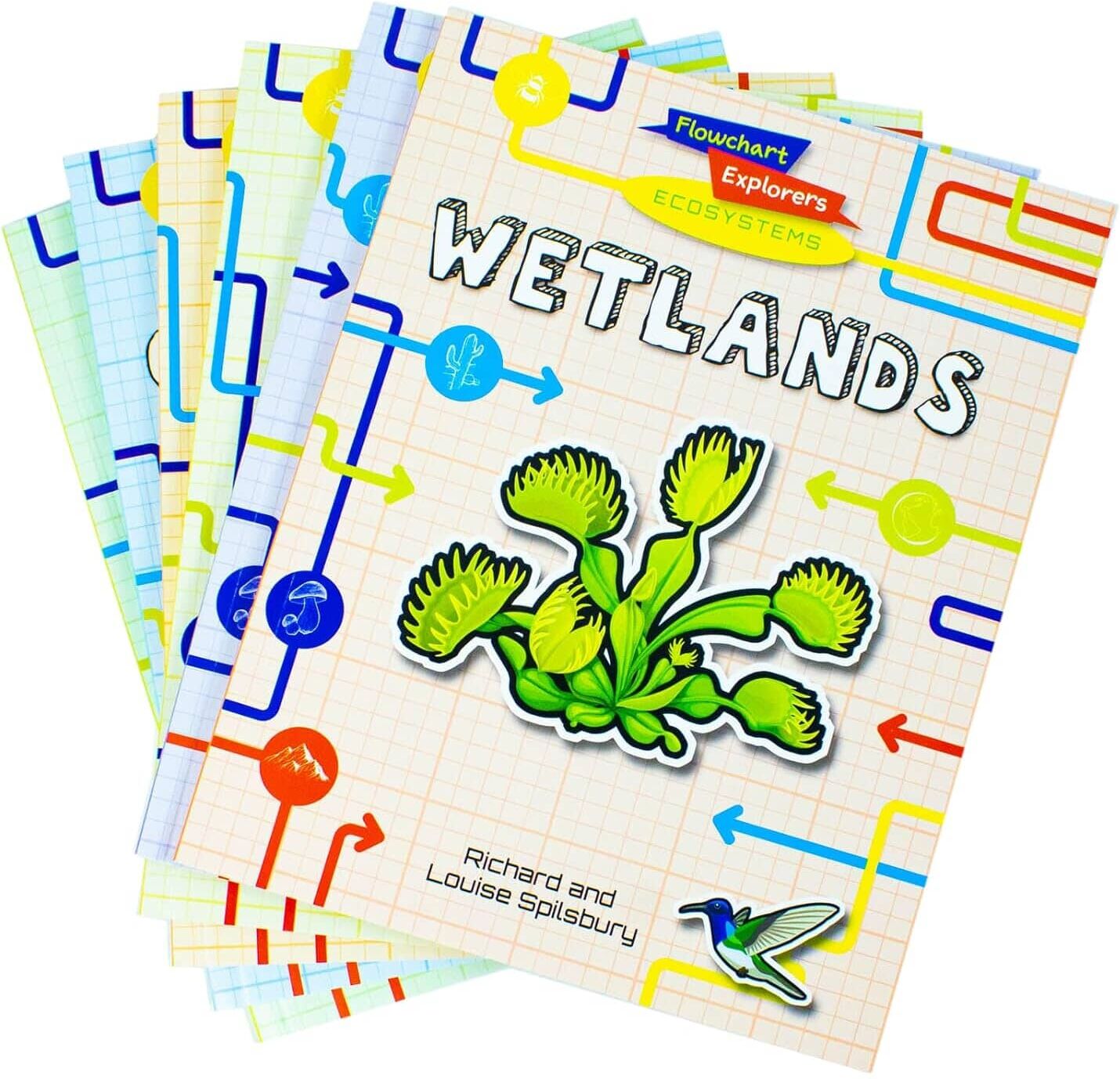
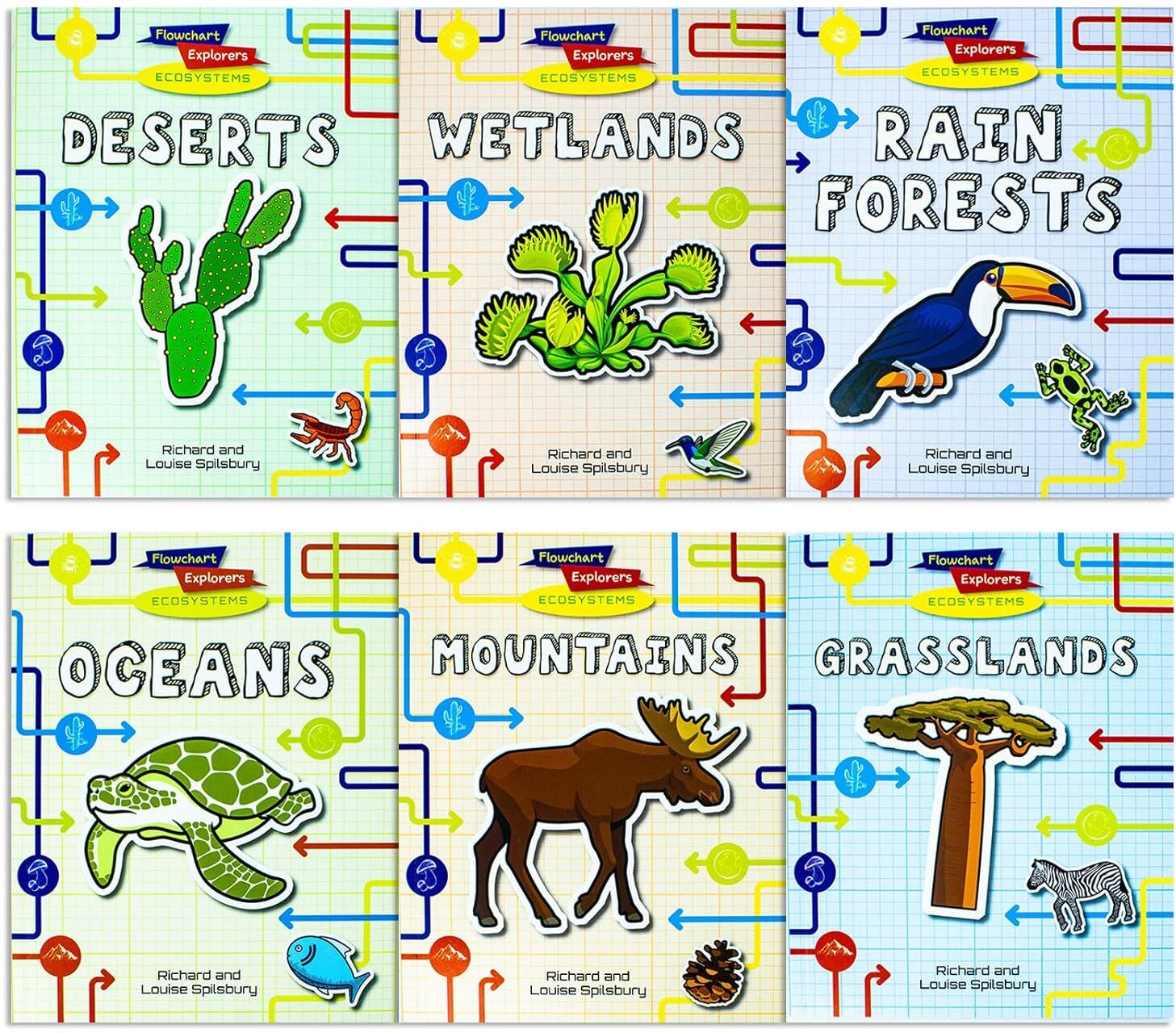
Flowchart Explorers Ecosystems Series 6 Books Collection Set - Ages 9-11 - Paperback Fox Eye PublishingEmbark on a journey of discovery with the "Flowchart Explorers Ecosystems STEM" 6-book set! Explore the wonders of deserts, grasslands, mountains, oceans, rainforests, and wetlands through engaging geography and science books. Titles In This Set: Deserts Grasslands Mountains Oceans Rain Forests Wetlands Description: Deserts Journey into the arid landscapes of deserts and uncover the unique adaptations of plants and animals to survive in extreme conditions. Explore the shifting sands and the fascinating life that thrives in these seemingly barren environments. Grasslands Roam the vast plains of grasslands and discover the rich biodiversity of these expansive ecosystems. Learn about the diverse wildlife, from grazing herbivores to cunning predators, and the essential role grasslands play in supporting life on Earth. Mountains Ascend to the towering peaks of mountains and explore the rugged terrain of these majestic landscapes. Discover the geological forces that shape mountains, the hardy flora and fauna that inhabit them, and the challenges of living at high altitudes. Oceans Dive into the depths of the oceans and unlock the mysteries of the world's largest and most vital ecosystems. From the sunlit surface to the abyssal depths, explore the incredible diversity of marine life and the interconnectedness of oceanic processes. Rain Forests Venture into the lush green canopies of rainforests and marvel at the incredible biodiversity found within these vibrant ecosystems. Discover the intricate relationships between plants, animals, and indigenous peoples, and the importance of conserving these irreplaceable habitats. Wetlands Wade into the tranquil waters of wetlands and explore the dynamic landscapes where water meets land. Learn about the diverse array of wetland ecosystems, from marshes to swamps, and their crucial role in filtering water, mitigating floods, and providing habitat for countless species.13,95 £*Shipping: 2,99 £Secure redirect to the provider
-
Fox Eye Publishing Flowchart Explorers Ecosystems 6 Book Set – Deserts, Oceans, Rainforests & STEM Geography CollectionUnderstanding ecosystems can be tricky, but flowcharts make it easy. Find out inside what ecosystems are, what plants and animals create them, and why it is so important to protect them. Discover how ecosystem science is at work everywhere on our planet!9,89 £*Shipping: 2,99 £Secure redirect to the provider
-
Lioness Games Biome Deluxe - Nature-Themed Strategy Game with Flora and Fauna Cards - Balanced Ecosystems - Upgraded ComponentsBuild a thriving ecosystem with Biome Deluxe, a nature-themed strategy game where players develop balanced ecosystems by combining flora and fauna cards. Each decision affects the balance of your ecosystem, so carefully combine cards to create useful synergies, support your animals, and score points as your biome grows. The Deluxe edition includes upgraded components and additional content for a richer and more varied game experience.64,05 £*Shipping: 0,00 £Secure redirect to the provider
-
Uplifted Finds Mauritius Dodo Fridge Magnet 3D Resin Tourism Souvenir Tropical Island Dodo Bird Travel Gift & Collection antigua"Escape to the Indian Ocean with the vibrant ""IslandSanctuary"" energy of our Mauritius Dodo Fridge Magnet. This premium 3D resin tourism souvenir is the ultimate designer solution for creating a ""TropicalModern"" or ""ExplorerLuxe"" atmosphere in any..."42,97 $*Shipping: 0,00 $Secure redirect to the provider
-
What are the food relationships and biomass turnover in ecosystems?
Food relationships in ecosystems refer to the interactions between different organisms as they consume and are consumed by one another. This includes predator-prey relationships, as well as the flow of energy and nutrients through the food chain. Biomass turnover refers to the rate at which organic matter is produced and decomposed within an ecosystem. This turnover is essential for maintaining the balance of nutrients and energy within the ecosystem, as dead organic matter is broken down and recycled into the environment, providing resources for new growth. Together, food relationships and biomass turnover play a crucial role in the functioning and sustainability of ecosystems. **
-
What ecosystems are there in Germany?
Germany is home to a variety of ecosystems, including forests, grasslands, wetlands, rivers, lakes, and coastal areas. The country's diverse landscapes support a wide range of plant and animal species, making it a rich and important biodiversity hotspot. These ecosystems are carefully managed and protected through national parks, nature reserves, and conservation efforts to ensure their preservation for future generations. **
-
Do closed ecosystems work in aquaristics?
Closed ecosystems, also known as self-sustaining ecosystems, can work in aquaristics under the right conditions. These ecosystems can be created in a sealed environment such as a fish tank, where the balance of plants, animals, and microorganisms can sustain themselves without external inputs. However, maintaining a truly closed ecosystem can be challenging, as it requires careful monitoring and management to ensure that all components are in balance. Additionally, closed ecosystems may not be suitable for all types of aquatic life, and some species may require more specific environmental conditions that cannot be fully replicated in a closed system. **
-
Should there be a global ban on mass tourism in order to better preserve visited ecosystems?
Implementing a global ban on mass tourism may not be the most effective solution to preserving ecosystems. Instead, a more balanced approach that focuses on sustainable tourism practices, responsible visitor behavior, and ecosystem conservation efforts would be more beneficial. By promoting responsible tourism and supporting local conservation initiatives, we can minimize the negative impact of tourism on ecosystems while still allowing for economic benefits and cultural exchange. Additionally, implementing regulations and limits on visitor numbers in sensitive areas can help to protect ecosystems without completely banning tourism. **
Similar search terms for Ecosystems
-
PRiME Portable Stainless Steel Tableware Set For Outdoor Tourism, Spoon And Fork Combo For Kids, Travel, Picnic blackEnhance your outdoor dining experience with this durable and compact tableware set designed for adventureloving families. Crafted from highquality 304 stainless steel, this portable tableware set includes a childfriendly spoon and fork combination,...21,97 $*Shipping: 0,00 $Secure redirect to the provider
-
PRiME Portable Stainless Steel Tableware Set For Outdoor Tourism, Spoon And Fork Combo For Kids, Travel, Picnic goldenEnhance your outdoor dining experience with this durable and compact tableware set designed for adventureloving families. Crafted from highquality 304 stainless steel, this portable tableware set includes a childfriendly spoon and fork combination,...21,97 $*Shipping: 0,00 $Secure redirect to the provider
-
Uplifted Finds Mauritius Dodo Fridge Magnet 3D Resin Tourism Souvenir Tropical Island Dodo Bird Travel Gift & Collection mauritius"Escape to the Indian Ocean with the vibrant ""IslandSanctuary"" energy of our Mauritius Dodo Fridge Magnet. This premium 3D resin tourism souvenir is the ultimate designer solution for creating a ""TropicalModern"" or ""ExplorerLuxe"" atmosphere in any..."42,97 $*Shipping: 0,00 $Secure redirect to the provider
-
PRiME Portable Stainless Steel Tableware Set For Outdoor Tourism, Spoon And Fork Combo For Kids, Travel, Picnic silveryEnhance your outdoor dining experience with this durable and compact tableware set designed for adventureloving families. Crafted from highquality 304 stainless steel, this portable tableware set includes a childfriendly spoon and fork combination,...21,97 $*Shipping: 0,00 $Secure redirect to the provider
-
How do material cycles work in ecosystems?
Material cycles in ecosystems involve the movement and recycling of essential elements such as carbon, nitrogen, and phosphorus. These elements are taken up by plants from the soil or water, and then transferred to herbivores when they consume the plants. When the herbivores are eaten by carnivores, the elements are further transferred up the food chain. When organisms die, their bodies decompose, releasing the elements back into the environment to be taken up by plants again. This continuous cycling of materials ensures that essential elements are constantly being recycled and made available for use by different organisms in the ecosystem. **
-
Why are streams or rivers open ecosystems?
Streams or rivers are open ecosystems because they are constantly exchanging energy and materials with their surrounding environment. They receive inputs of water, nutrients, and organic matter from the surrounding land, and they also release water and nutrients downstream. This constant flow of materials and energy allows for a high level of biodiversity and dynamic interactions between the organisms and their environment. Additionally, streams and rivers are often connected to other ecosystems such as wetlands, forests, and lakes, further contributing to their open nature. **
-
What are natural or near-natural ecosystems?
Natural or near-natural ecosystems are areas of land or water that have not been significantly altered by human activity. These ecosystems are characterized by a high degree of biodiversity and are home to a wide variety of plant and animal species. They are often self-sustaining and have complex interactions between different organisms and their environment. Examples of natural or near-natural ecosystems include old-growth forests, coral reefs, and wetlands. These ecosystems are important for maintaining ecological balance and providing essential services such as clean water, air, and habitat for wildlife. **
-
Do decomposers exist in desert ecosystems at all?
Yes, decomposers do exist in desert ecosystems. While the extreme conditions of deserts, such as low moisture and high temperatures, can limit the abundance and diversity of decomposers, there are still organisms that play a role in breaking down organic matter. These may include bacteria, fungi, and invertebrates like termites and ants. Their activity is important for nutrient cycling and soil formation in desert environments. **
* All prices are inclusive of VAT and, if applicable, plus shipping costs. The offer information is based on the details provided by the respective shop and is updated through automated processes. Real-time updates do not occur, so deviations can occur in individual cases. ** Note: Parts of this content were created by AI.